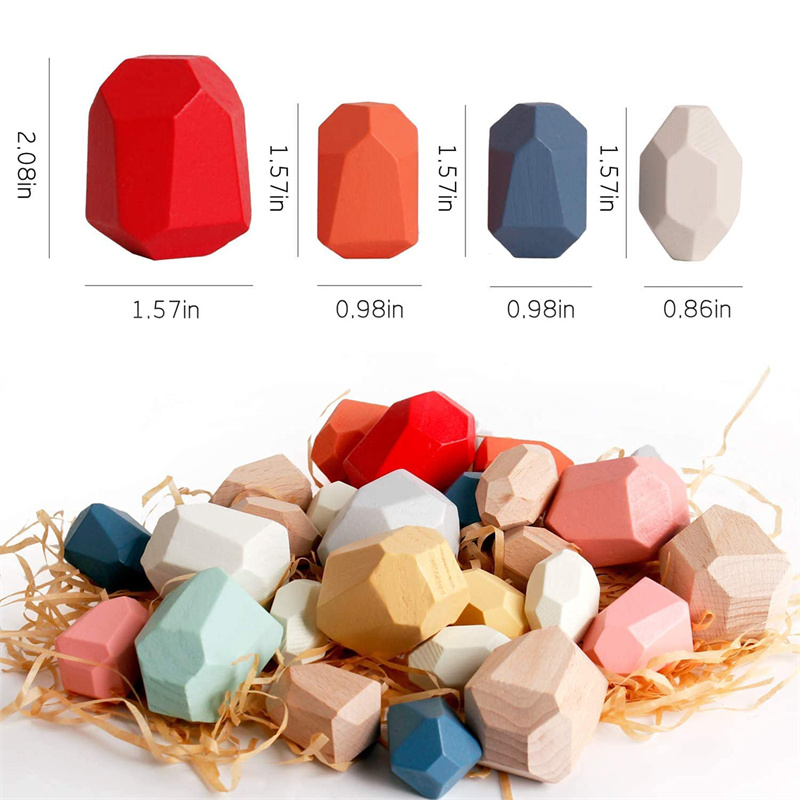
**Rising Demand for Wooden Educational Toys Fuels Market Growth in China**In recent years, the market for wooden educational toys in China has witnessed remarkable growth, driven by increasing consumer interest in sustainable, eco-friendly, and developmental play options for children. As parents and educators seek high-quality, safe toys that not only entertain but also contribute to early childhood learning and cognitive development, wooden educational toys have surged in popularity across the region.### Market OverviewThe Chinese wooden educational toy market is characterized by a wide range of products including puzzles, building blocks, shape sorters, stacking toys, and more specialized learning kits. These toys are typically crafted from natural wood sources, ensuring durability and a tactile experience that plastic or electronic counterparts often lack. Importantly, the absence of harmful chemicals and the natural aesthetic of wooden toys align with the growing demand for environmentally responsible products among Chinese consumers.Prices for wooden educational toys in China vary significantly depending on the complexity, brand, materials used, and the educational value offered. Entry-level toys like simple wooden blocks or shape sorters can start at around 50 to 100 RMB, while more intricate sets that incorporate multiple learning elements or interactive features can command prices upwards of 300 to 600 RMB or more. This price range reflects the balance manufacturers strike between affordability and quality, ensuring accessibility while maintaining rigorous safety and material standards.### Consumer Preferences and TrendsThe shift towards wooden educational toys reflects broader changes in consumer attitudes in China, where there is an increasing emphasis on early childhood education and developmental psychology. Many parents now prioritize toys that promote fine motor skills, problem-solving abilities, and sensory exploration. Wooden toys, with their natural textures and open-ended play possibilities, are highly regarded for fostering creativity and concentration in young children.Additionally, eco-consciousness plays a significant role in purchasing decisions. China's rapid urbanization and environmental challenges have heightened awareness about sustainability, leading many consumers to choose wooden products over plastic alternatives. Wooden educational toys are often marketed as biodegradable, non-toxic, and crafted from sustainably harvested wood, further enhancing their appeal in this regard.### Industry Challenges and OpportunitiesDespite the positive market outlook, manufacturers of wooden educational toys face certain challenges. Sourcing sustainable wood without compromising on quality can be difficult and costly. Ensuring that products meet stringent safety regulations, both domestically and for export markets, requires ongoing investment in materials testing and certification. Moreover, competition from cheaper plastic toys and electronic alternatives continues to pose a threat.However, opportunities abound in leveraging China’s robust manufacturing ecosystem and growing e-commerce platforms. Online sales channels such as Taobao, JD.com, and emerging specialty retailers provide effective avenues to reach young parents and educators nationwide. Marketing strategies that emphasize educational benefits, craftsmanship, and environmental responsibility resonate strongly with the target demographic.### Company Introduction ExampleOne notable enterprise in this sector emphasizes a commitment to quality and innovation in wooden educational toys without explicit reliance on brand prestige. Founded with the mission to combine education and entertainment, the company designs products that promote hands-on learning and sensory engagement. Utilizing sustainably sourced wood and non-toxic paints, their product range caters to children from infancy through early school years.The company invests significantly in research and development to create toys that align with early childhood education standards and psychological theories on child development. Their portfolio includes puzzles that enhance spatial awareness, stacking games for fine motor control, and thematic kits that introduce basic concepts of math and language in playful ways. The brand avoids heavy branding in favor of letting product quality and educational value drive consumer loyalty.### OutlookThe outlook for the Chinese wooden educational toy market remains optimistic as demographic trends, consumer preferences, and rising environmental awareness converge to support continued growth. Increasing government support for early childhood education further facilitates demand. Manufacturers who focus on quality, safety, and sustainability while embracing digital sales channels are well-positioned to capitalize on this expanding niche.As the sector evolves, innovation will be key — integrating traditional wooden craftsmanship with modern educational insights and inclusive design principles. By doing so, wooden educational toys can maintain their timeless appeal while adapting to the needs of contemporary families and educators. The steady rise in demand not only signals a strong market opportunity but also aligns with broader societal values emphasizing well-rounded, eco-friendly childhood development.
Read More